



If you spend any time scrolling through health, fitness, or wellness channels online, you have likely witnessed a viral video featuring a y strap chiropractor. In these videos, a patient lies flat while a practitioner attaches a specialized harness around the base of their skull, takes a fine grip, and applies a controlled, manual pull along the axis of the spine. The result is often an audible, rapid-fire succession of cracks stretching from the neck all the way down to the mid-back, immediately followed by the patient signing in profound relief.
It looks intense, dramatic, and fascinating. But if you are living with chronic spinal compression, consistent neck tension, or severe posture fatigue from long hours working at a desk in Jacksonville or commuting along A1A, you might be looking past the theatricality of social media and wondering about the underlying science.
Is this purely a viral trend, or is it a legitimate clinical tool? What are the actual y-strap adjustment benefits? Most importantly, is the y strap safe for your spine?
At Ponte Vedra Spine Center, we believe in looking past the viral hype to ground our therapies in strict clinical principles, anatomy, and biomechanics. In this comprehensive guide, we will unpack everything you need to know about the Y-Axis traction adjustment, how it functions mechanically, who it can help, and how we safely utilize spinal decompression techniques in our Ponte Vedra Beach practice.
What is a Y Strap Adjustment?
To understand how a y strap adjustment works, you first need to understand the structural axes of the human body. Chiropractors evaluate and treat the body across three distinct dimensional planes:
- The X-Axis: Side-to-side movement or lateral bending.
- The Y-Axis: The vertical axis running up and down the length of the body (longitudinal).
- The Z-Axis: Forward-and-backward movement, such as flexion and extension.
Standard manual adjustments typically manipulate the spine along the X and Z axes, using rotational force, lateral leverage, or forward-to-back pressure to mobilize restricted joints.
The Y-Strap, however, works exclusively along the Y-Axis. The term “Y-Strap” refers to the specialized traction equipment used during the procedure. The tool features a secure, padded harness that comfortably cradles the base of the patient’s skull (the occiput). The strap converges into a single handle forming a “Y” shape, which allows the chiropractor to apply consistent, directional traction straight up the line of the spine.
By securing the skull and applying a controlled force parallel to the spinal column, the chiropractor performs a high-velocity, low-amplitude (HVLA) or low-velocity, variable-amplitude linear distraction. In plain terms, it is a swift, highly focused stretch that instantly elongates the spine, opening up the spaces between the vertebrae.

The Top Y-Strap Adjustment Benefits
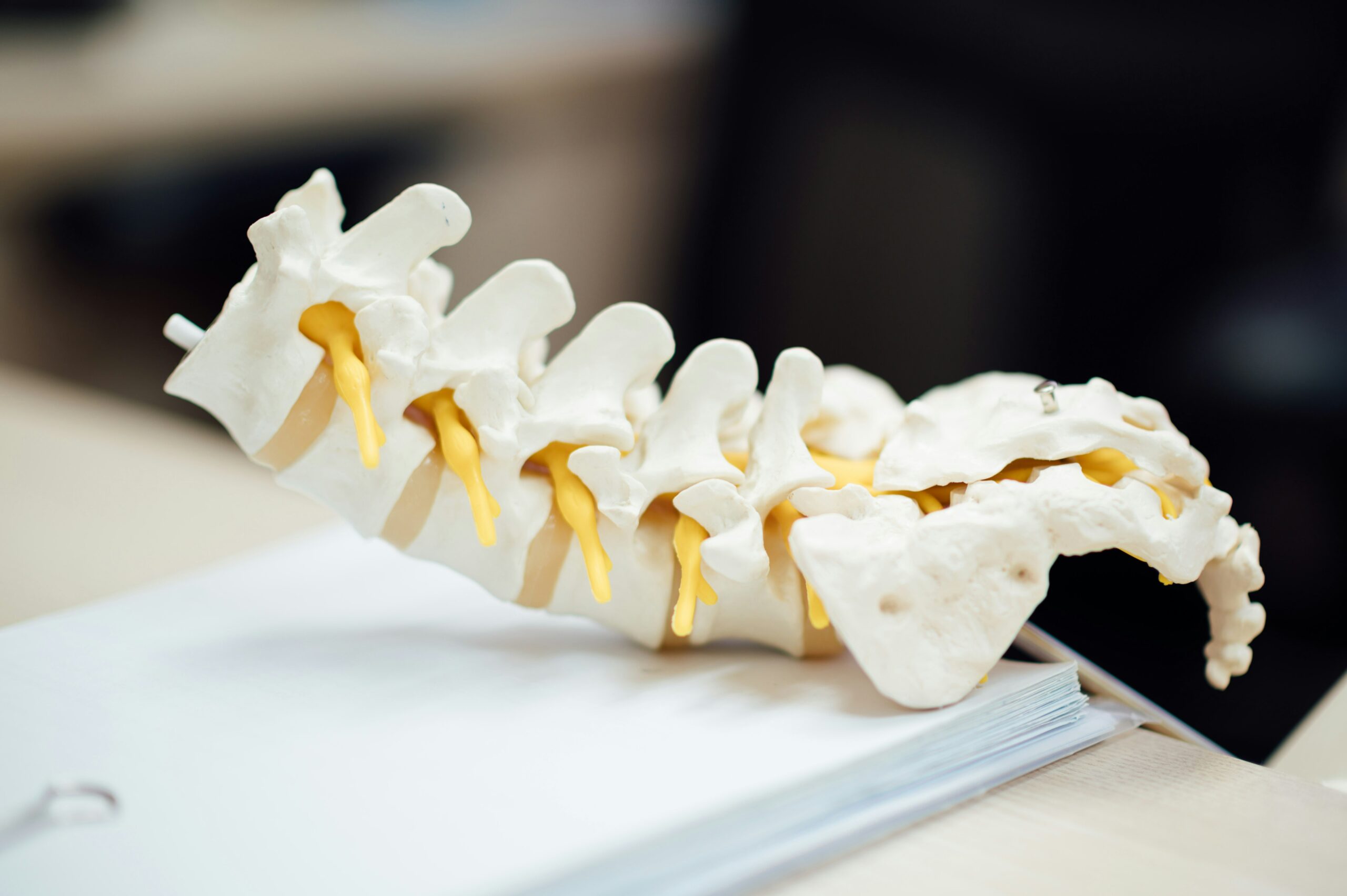
Our spines are under constant structural duress. Gravity, poor postural habits, heavy lifting, and hours spent looking down at smartphones or laptop screens lead to a state known as chronic spinal compression. Over time, this download pressure squishes the intervertebral discs, strains the surrounding ligaments, and pinches delicate nerve roots.
By forcefully counteracting gravity, the Y-Strap provides unique mechanical advantages. Here are the primary clinically verified y-strap adjustments benefits:
- Intervertebral Decompression: The human spine consists of 24 individual motion segments separated by gel-like intervertebral discs. When compression sets in, these discs lose moisture and height, bringing adjacent bones closer together. The Y-Strap instantly stretches the entire spinal column, creating a negative pressure environment within the discs. This drop in internal pressure helps pull bulging or herniated disc material back toward the center, taking immediate pressure off surrounding nerves.
- Full-Spine Realignment and Cavitation: Unlike a regional manual adjustment that focuses solely on a single joint segment (such as the C5 vertebra in the neck or L4 in the lower back), a Y-axis pull provides a continuous decompression force throughout the cervical, thoracic, and even lumbar regions. This frequently results in widespread “cavitation,” the release of oxygen, nitrogen, and carbon dioxide gas bubbles from within multiple joint capsules simultaneously. Patients often report feeling like their entire spine has been “stretched open” or unzipped, instantly restoring joint mobility across multiple spinal levels.
- Immediate Relief from “Tech Neck” and Postural Fatigue: If you sit at a desk for more than six hours a day, you likely suffer from forward head posture, commonly referred to as “tech neck.” For every inch your head protrudes forward from its natural alignment, it adds an extra 10 pounds of structural weight to your cervical spine. This causes the muscles at the base of your skull and upper back to remain in a constant state of agonizing contraction. The Y-Strap stretches these deep, stubborn suboccipital muscles and resets the cervical spine joints, reversing the daily structural wear and tear caused by modern office work.
- Alleviation of Radiating Nerve Pain and Neurological Pressure: When spinal joints are compressed, the small exit gaps for nerves (the intervertebral foramina) narrow. This leads to nerve foot irritation, resulting in conditions like sciatica, shooting arm pain, numbness in the fingers, or localized chronic tension. By expanding these joint gaps, the Y-Strap relieves pressure on irritated nerve pathways, allowing neurological signals to flow without interruption.
- Increased Joint Range of Motion and Fluid Circulation: Joints require movement to stay healthy; they do not possess a direct blood supply and rely on a process called “imbibition” (a pumping action) to receive nutrients and expel metabolic waste. By opening up restricted joints along the vertical axis, the Y-Strap stimulates the circulation of synovial fluid. This lubricates the joint surfaces, reduces localized inflammation, and leaves the patient with a dramatic, immediate increase in their overall range of motion.
Is the Y Strap Safe?
Given the loud popping sounds and the dramatic nature of the pull seen in videos, the most crucial question every patient should ask is: Is the y strap safe?
The definitive clinical answer is yes, the Y-strap adjustment is safe, but only when administered by a licensed, thoroughly trained, and highly experienced chiropractor who has performed a comprehensive physical evaluation beforehand.
The Y-Strap is a powerful clinical tool, not a carnival trick or a casual stretch. When performed correctly by a professional, the force applied is carefully measured, controlled, and tailored to the specific tolerance, height, weight, and spinal condition of the patient. The practitioner uses a specific contact point at the base of the skull, completely protecting the jaw and avoiding any dangerous rotational twisting of the delicate cervical spine.

Why You Should Never Attempt a DIY Y-Strap Adjustment
Because of the viral popularity of these videos, knock-off Y-Strap devices are easily purchased online by the public. Attempting to use a Y-Strap at home, or allowing an untrained individual to pull on your head or neck is extraordinarily dangerous.
The cervical spine houses the vertebral arteries, which supply blood directly to the brain, as well as the upper spinal cord. Applying an unregulated, uncoordinated vertical pull without a clinical understanding of joint mechanics can cause severe ligamentous tearing, muscle strain, disc herniations, or catastrophic neuromuscular injuries.
What to Expect During a Y-Strap Session at Ponte Vedra Spine Center
If you are a candidate for Y-axis decompression, knowing what to expect during your clinical session can eliminate any lingering anxiety. We ensure the entire process is structured, controlled, predictable, and fully transparent.
Phase 1: Comprehensive Orthopedic Diagnostics
Before a y strap chiropractor ever touches a device, you will undergo a rigorous clinical assessment. This includes a comprehensive review of your medical history, a postural analysis, joint palpation, and specialized orthopedic and neurological testing to assess nerve reflexes and structural boundaries. If clinically indicated, digital imaging or X-rays will be taken and evaluated, if medically necessary, assess whether you are an appropriate candidate for y-strap treatment.
Phase 2: Pre-Adjustment Soft Tissue Preparation
We never apply vertical traction to “cold,” rigid muscles. Before the adjustment, your practitioner will utilize soft-tissue therapies, to relax the hypertonic neck and shoulder muscles. This reduces structural resistance, allowing for a much gentler, smoother, and more comfortable decompression pull.
Phase 3: The Mechanical Adjustment
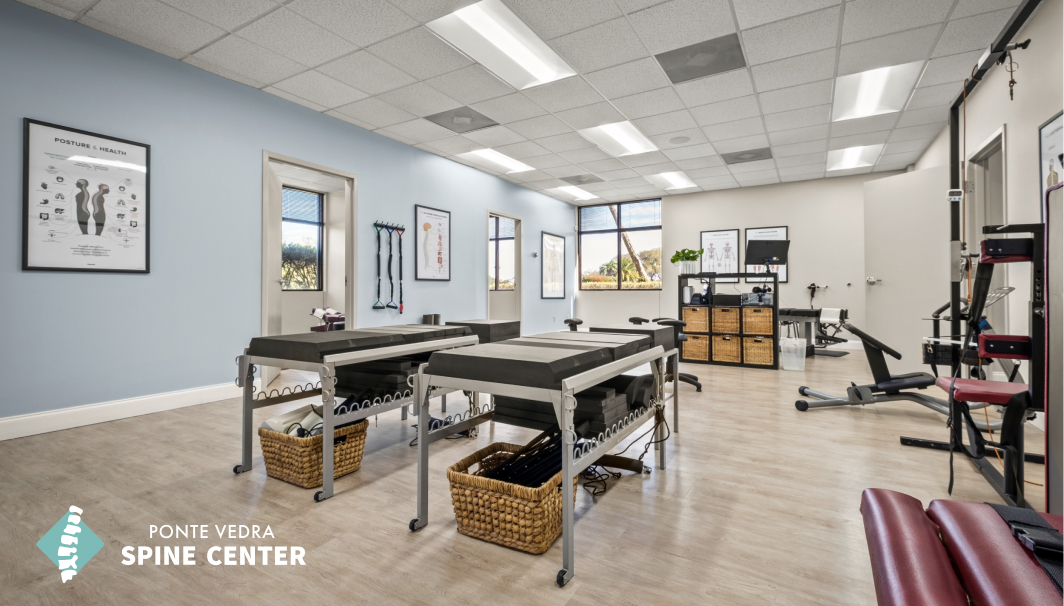
You will lie comfortably flat on your back on a specialized chiropractic adjustment table. The chiropractor will gently position the padded Y-Strap beneath your head, adjusting the chin strap to ensure it is secure but comfortable around the occipital bone at the base of your skull.
The chiropractor will then step to the head of the table, pick up the handle, and slowly lean back to apply a steady, low-force pre-stretch. This initial pull takes all the slack out of your spinal column.
Once your muscles are relaxed and your spine is at its physiological boundary, the practitioner will deliver a controlled, linear pull along the Y-axis. You will likely hear a series of releases throughout your spine. The adjustment takes only a fraction of a second, and the tool is safely disconnected.
Phase 4: Post-Adjustment Stabilization
Following the adjustment, you will rest for a minute to allow your nervous system to adapt to the sudden drop in pressure. We often pair this treatment with therapeutic exercises or posture retraining to help your muscles learn how to support your newly aligned, decompressed spinal structure over the long term.
Frequently Asked Questions About Y-Axis Traction
Does a Y-Strap adjustment hurt?
While the visual presentation looks aggressive, the vast majority of patients report that the adjustment is not painful. Instead, it is typically described as an immediate, profound sensation of physical relief, like a deep pressure being lifted instantly from their spine. Some mild muscular soreness may occur over the following 24 to 48 hours, similar to the feeling of a strenuous workout, as your deep spinal muscles adapt to their corrected positions.
How often should someone get a Y-Strap adjustment?
The Y-Strap is not an everyday maintenance tool. It is a highly focused intervention utilized during specific phases of a corrective care plan. For some patients dealing with severe compression, it may be used periodically over a few weeks to break up stubborn joint restrictions, followed by traditional adjustments and functional movement therapies once spinal mobility is restored.
Can the Y-Strap fix a bulging disc?
Spinal decompression along the Y-axis creates negative internal disc pressure, which can help draw a bulging disc back into its proper anatomical boundaries and away from the nerve root. While it is an excellent tool for managing disc issues, it is part of a holistic treatment plan that includes core stabilization and lifestyle adjustments to allow the disc tissue to heal completely.
Moving Beyond the Screen: Get Expert Care in Ponte Vedra Beach
It is easy to get caught up watching viral adjustment videos online, but your spinal health deserves a customized approach tailored to your unique anatomy, lifestyle, and diagnostic presentation. What works for a person in a viral video may not be what your specific body requires to heal.
At Ponte Vedra Spine Center, we combine advanced, modern structural techniques with compassionate, patient-centered care. Whether you are seeking relief from chronic sciatica, persistent neck tension, or want to explore if clinical Y-axis decompression is appropriate for your spine, our team is dedicated to helping you live a life completely free of pain.
Don’t leave your spinal health to chance or internet trends. Let’s build a clinical path toward long-term structural vitality together.