


Corrective chiropractic care is a treatment approach focused on identifying and gradually correcting the root structural cause of spinal problems, such as scoliosis or chronic misalignment, rather than just relieving pain from a single visit. It typically involves posture analysis, imaging, and a structured care plan carried out over weeks or months.
If you’ve been to a chiropractor before, you probably know the basic idea: something hurts, you get adjusted, you feel better. That’s real, and it works for a lot of people. But there’s another approach that goes beyond symptom relief, and it’s called corrective chiropractic care.
At Ponte Vedra Spine Center, corrective care is the foundation of how we treat patients who want more than a quick fix. Here’s what it actually means, who it’s for, and how it differs from the type of chiropractic care most people are familiar with.
This distinction matters more than most patients realize when they first walk in. Someone who has lived with recurring back pain for years, or who was told as a teenager that they had a mild spinal curve, often assumes chiropractic care is just about getting cracked back into place when things flare up. That’s one legitimate use of chiropractic care, but it’s far from the only one, and it’s not the approach that tends to produce lasting change for structural issues.
What Makes Chiropractic Care “Corrective”?
Traditional chiropractic visits often focus on the here and now: you’re in pain, an adjustment relieves pressure on a nerve or joint, and you go about your day. That kind of care has real value, especially for acute issues.
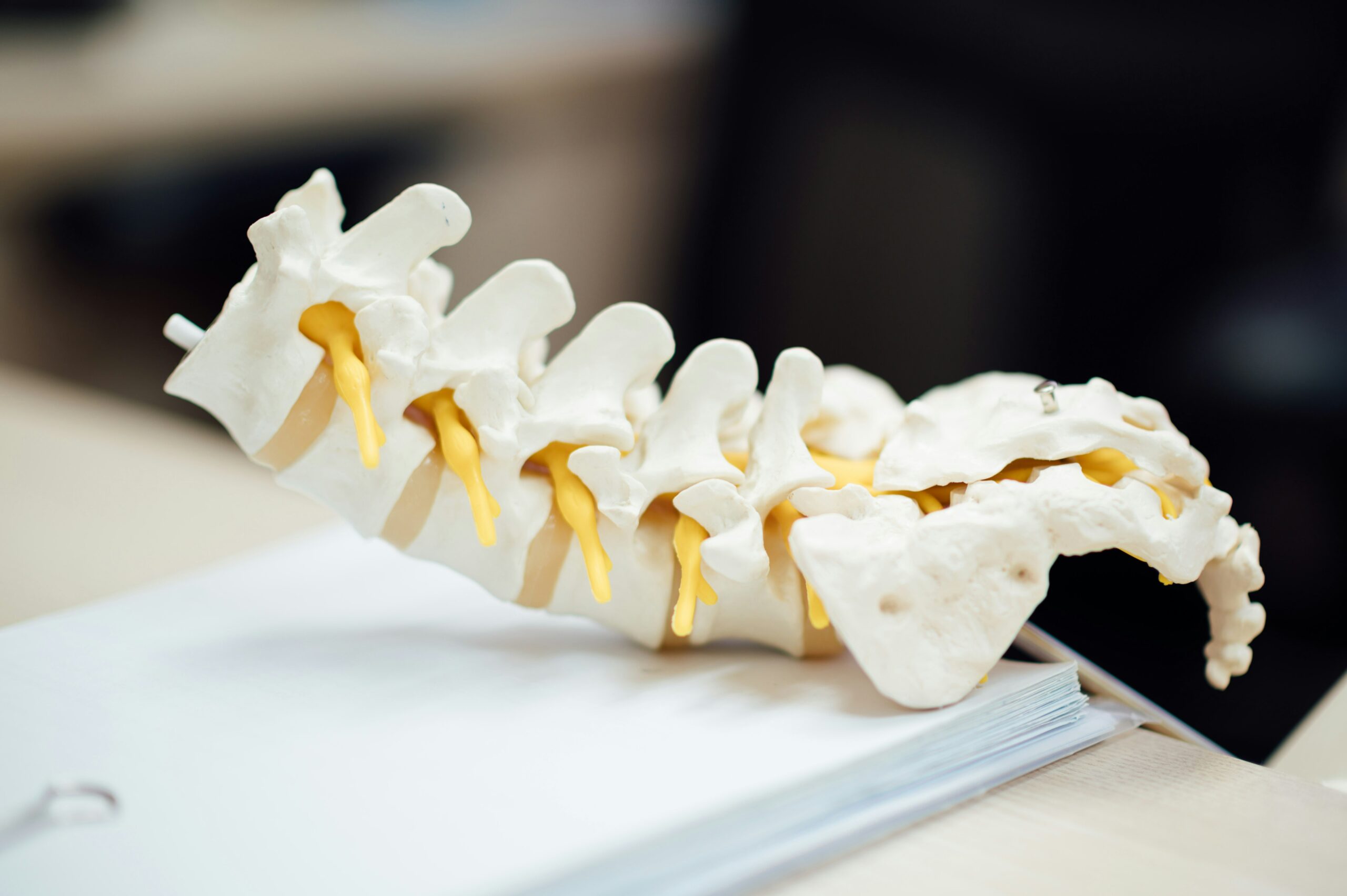
Corrective care takes a longer view. Instead of treating a single symptom, we look at the structure of your spine as a whole, using posture analysis and x-rays to understand how your spine is actually aligned. Front here, we build a care plan designed to gradually retrain and reposition the spine over weeks or months, not just calm things down for a day or two.
Think of it like the difference between icing a sore ankle and doing physical therapy to fix the mechanical problem that keeps causing the sprain. Both matter, but they solve different problems.
The other piece that sets corrective care apart is measurement. Because the goal is structural change over time, progress needs to be tracked, not just described. That usually means periodic re-examination, follow-up posture checks, and in some cases follow-up imaging, so both you and your chiropractor can see whether the plan is actually working rather than relying on how you feel on a given day. Pain levels can be a misleading measure of progress on their own. It’s common for patients to feel significantly better within the first few weeks of care while the underlying structural issue is still very much a work in progress, which is part of why a lot of people stop care too early and see their old symptoms return months later.

Common Conditions Corrective Care Addresses
Scoliosis and Finding the Right Scoliosis Chiropractor
Scoliosis, an abnormal curvature of the spine, is one of the conditions people most often ask us about. Chiropractic care isn’t a cure for scoliosis, and any chiropractor telling you otherwise isn’t being straight with you. But for many patients, especially those with mild to moderate curves, consistent corrective care can help manage the curve, reduce discomfort, and improve overall spinal function. We evaluate each case individually and are upfront about what’s realistic.
Parents often reach out to use after a school screening or pediatrician visit flags a curve for the first time, unsure of what comes next. In these situations, we typically start with imaging to get an accurate baseline, then talk through a realistic range of outcomes based on the degree of curvature, the patient’s age, and how much growth is still ahead of them. Younger patients who are still growing tend to have more opportunity to influence how a curve develops, which is one reason early evaluation is worth doing rather than waiting to see if it gets worse on its own. If you want more detail on how we approach curve assessment, our scoliosis care page walks through it further.
Posture Correction
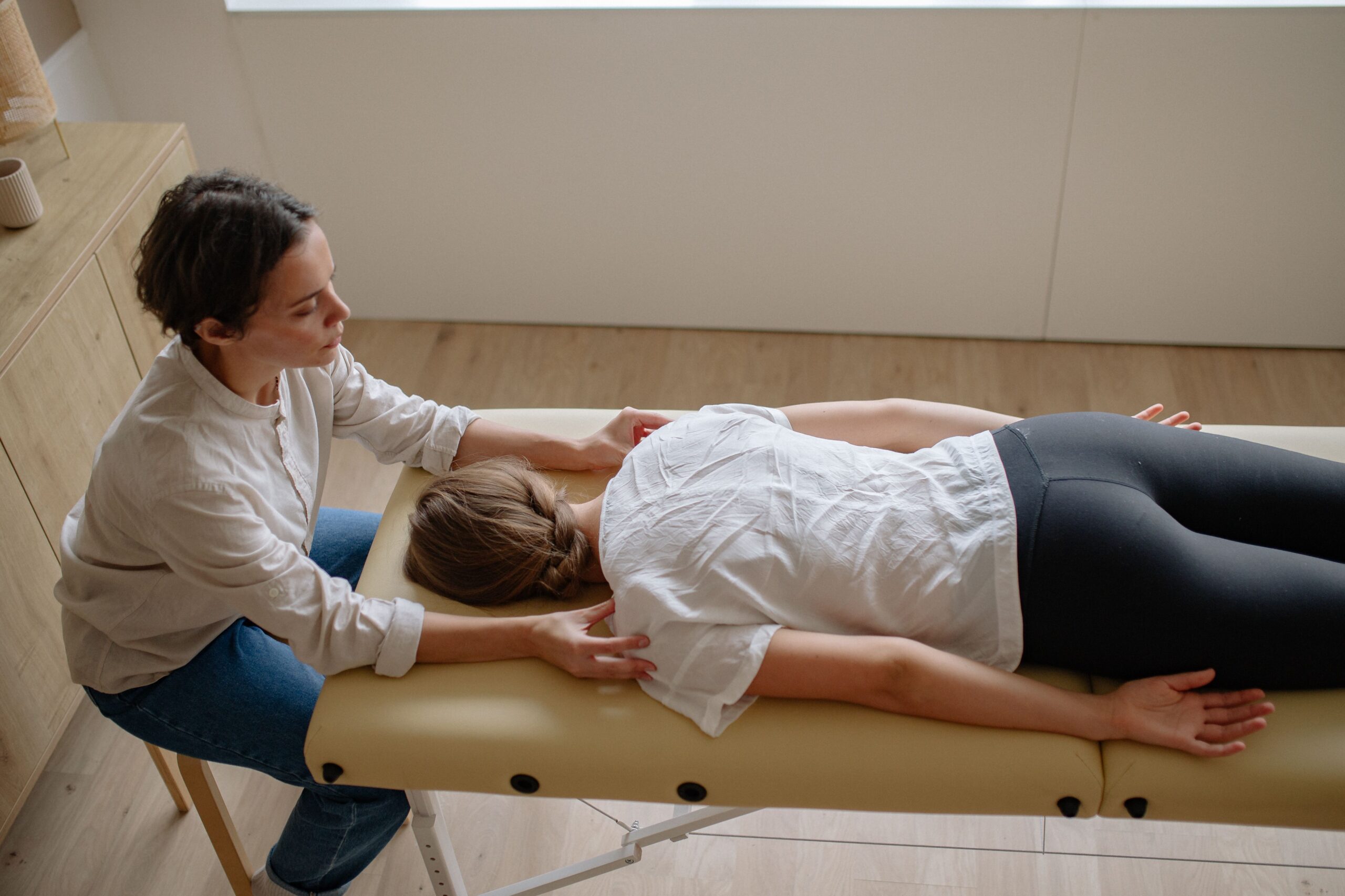
Years of sitting at a desk, looking down at phones, or carrying uneven loads can gradually shift the spine of its ideal alignment. Corrective care targets these postural shifts directly, using a combination of adjustments, exercises, and progress tracking to help patients build lasting improvements rather than temporary relief.
Forward head posture is one of the most common patterns we see, especially among people who spend most of their day at a computer or looking down at a phone. Over time, this shifts extra weight forward onto the neck and upper spine, which can lead to tension headaches, shoulder tightness, and upper back pain that doesn’t fully resolve with a single adjustment. Correcting it usually involves a combination of targeted adjustments, specific strengthening exercises for the muscles that support upright posture, and practical changes to how a workstation or daily habits are set up. None of that happens in one visit, which is exactly why a posture correction chiropractor typically treats it as an ongoing plan rather than a one-time fix.
Chronic Misalignment and Disc Issues
Some patients come to us after years of on-and-off pain that traditional adjustments have only partially resolved. In these cases, we often find an underlying structural issue that needs a more sustained plan to address, rather than a single visit here and there.
This is often the group most frustrated by their previous care experience. They’ve had adjustments before, sometimes for years, and felt real relief each time, only to have the same pain return within a few weeks. That pattern usually points to a structural cause that hasn’t actually been addressed, even though the symptom has been managed repeatedly. A thorough assessment, including imaging where appropriate, can help identify what’s actually driving the recurring pain, whether that’s a long-standing misalignment, disc-related changes, or compensations built up from an old injury that never fully healed.
Corrective Care vs. Traditional Chiropractic Care
Traditional chiropractic care is generally focused on relieving whatever symptom brought you in that day, working from an as-needed, visit-to-visit schedule, with the assessment centered on the specific area that’s bothering you. It’s a great fit for acute pain or occasional discomfort.
Corrective care works differently. The goal is to address the underlying structural cause, not just the symptom it’s producing. That means a full posture and spinal analysis rather than a spot check, and a structured plan carried out over weeks or months rather than single visits. It tends to be the better fit for chronic issues, scoliosis, and long-term postural correction.
Neither approach is “better” across the board. The right one depends on what you’re dealing with and what you’re hoping to achieve. Plenty of patients benefit from both oat different points in their care.
A useful way to think about it: if you threw your back out lifting something heavy last weekend, you probably need relief-focused care right now, and that’s completely reasonable. If you’ve had the same nagging tightness in your lower back for the past three years that new quite goes away no matter how many times you get adjusted, that’s a signal worth paying attention to, it’s usually a sign that a corrective plan would serve you better than another round of as-needed visits.
What to Expect at Ponte Vedra Spine Center
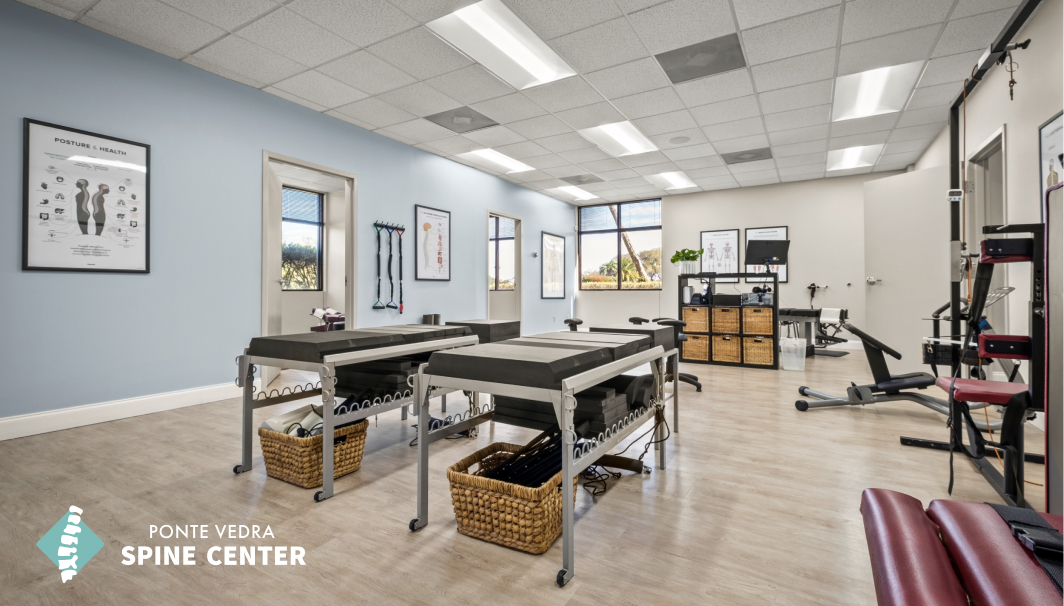
If you’re searching for a chiropractor in Ponte Vedra Beach or Jacksonville Beach who takes a corrective approach, here’s how we typically start:
- Initial consultation and assessment – we talk through your history, current symptoms, and goals.
- Posture and spinal analysis – including x-rays and lifestyle as it pertains to your spine.
- A personalized care plan – built around your specific findings, with clear milestones so you can track progress.
- Ongoing reassessment – because corrective care isn’t a set-it-and-forget-it process. We adjust the plan as your spine responds.
We also work with families, including younger patients dealing with early postural issues, so if you have questions about care for kids, that’s something we can talk through as well.
Cost and time commitment are two of the most common questions we get once someone understands what corrective care actually involves. Because plans are built around your specific findings rather than a one-size-fits-all schedule, the frequency of visits and overall timeline vary quite a bit from patient to patient. What stays consistent is that we lay out the plan up front, including expected frequency and cost, so there are no surprises partway through. If your goals or circumstances change along the way, the plan can be adjusted too. Corrective care works best when it’s collaborative rather than something that’s simply prescribed and followed without discussion.
FAQs
Can scoliosis be corrected with chiropractic care? Chiropractic care can’t reverse scoliosis, but for many patients with mild to moderate curves, it can help manage symptoms, support better alignment, and slow progression when combined with a consistent care plan.
Is chiropractic care effective for posture correction? Yes, for many patients. Posture correction usually requires a combination of adjustments, targeted exercises, and time. Results vary based on how long the postural issue has been present and how consistent you are with your care plan.
How long does corrective chiropractic care take? It depends on the individual and the severity of the issue, but most corrective care plans are measured in months rather than single visits. Your chiropractor should give you a realistic timeline after your initial assessment.
Ready to Get Started?
If you’re dealing with postural issue, scoliosis, or chronic pain that hasn’t responded to occasional adjustments, corrective chiropractic care might be worth exploring. Schedule a consultation with Ponte Vedra Spine Center to find out what a personalized plan could look like for you.